
Is an AC Maintenance Plan Actually Worth It in Florida?
Every spring the reminder shows up: time to renew your AC maintenance plan. And every spring you wonder the same thing — is this real, or am I just paying a company to hose off the outside unit and hand me a clipboard? Here's the plain answer: in Florida a good plan usually pays for itself, but not for the reason most people think, and there's a version of it that's a total waste. Let's sort out which one you've got.
What are you even paying for?
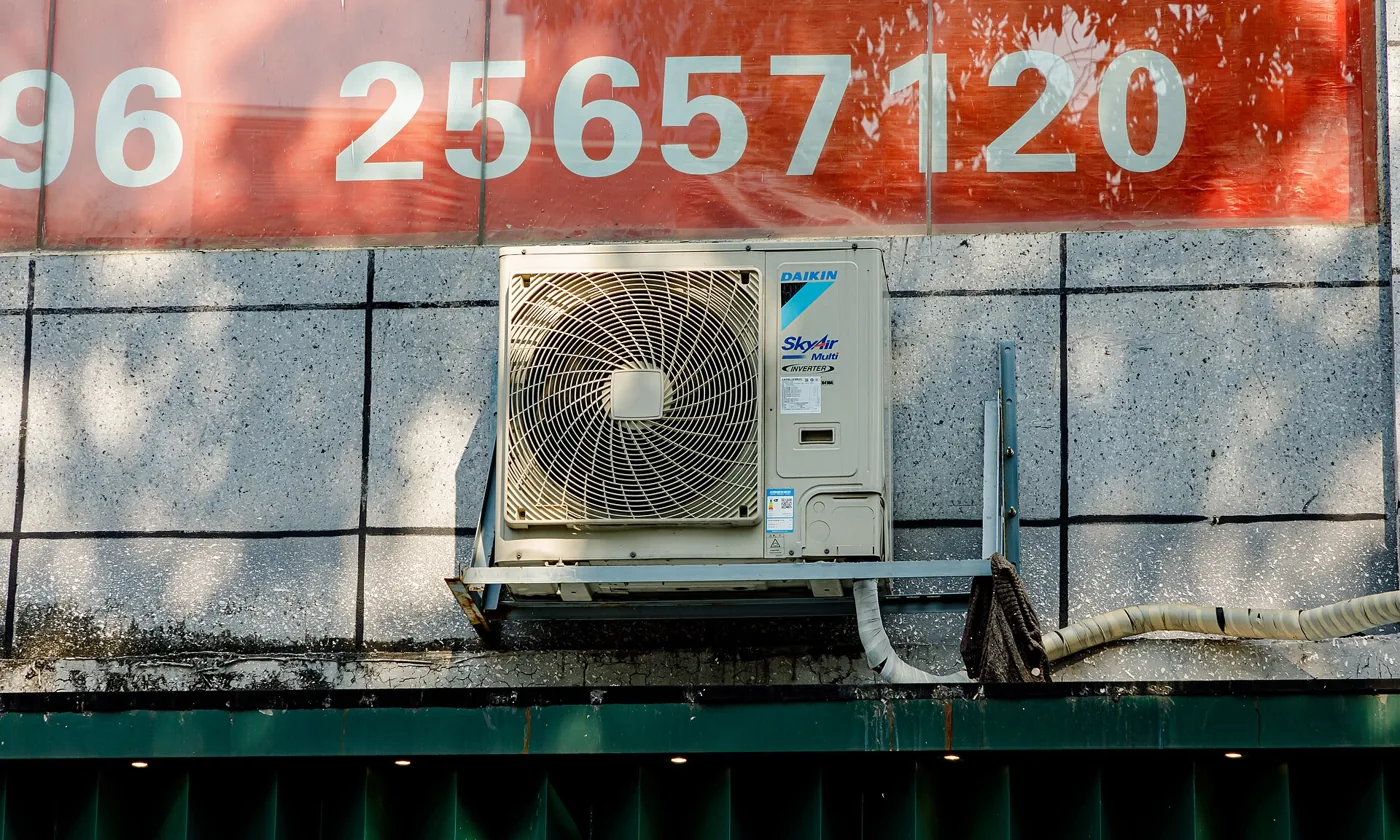
Think about your air conditioner like a car engine that never gets parked. Up north a system loafs along maybe four or five months a year. Down here it runs something like ten. Same machine, roughly double the miles.
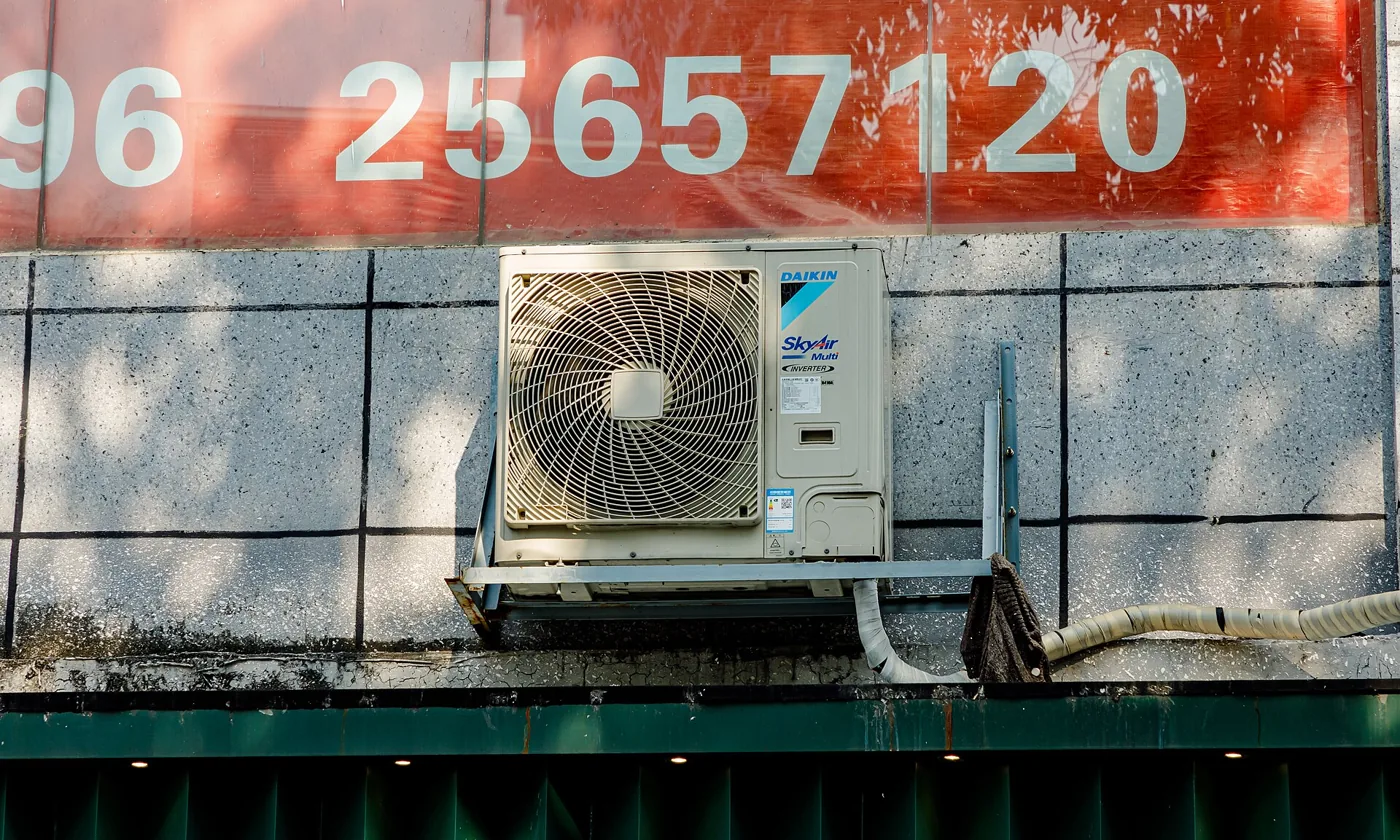
So the stuff that goes wrong isn't dramatic — it's slow. The outside coil grows a fuzzy coat of pollen, grass clippings, and dryer-lint dust, and once it's wearing that sweater it can quietly lose close to a third of its cooling without ever breaking. You don't notice a broken AC. You notice a $40 higher power bill and a house that won't quite get to 74, and you blame the weather.
Then there's the drain line. In our humidity your system pulls buckets of water out of the air every day, and all of it runs through one skinny pipe. Let that pipe grow the slimy black clog it wants to grow, and one afternoon the safety switch trips and the whole thing shuts off — usually on the hottest Saturday of the year. A maintenance visit is mostly someone clearing that pipe and washing that coat off the coil before either one becomes your problem. Boring. Also the whole point.
Where the money hides
Photo: Elliott Brown / Wikimedia Commons (CC BY 2.0)
The part of the plan nobody reads
Here's the thing that surprises people. The tune-up isn't really what you're buying. The paperwork is.
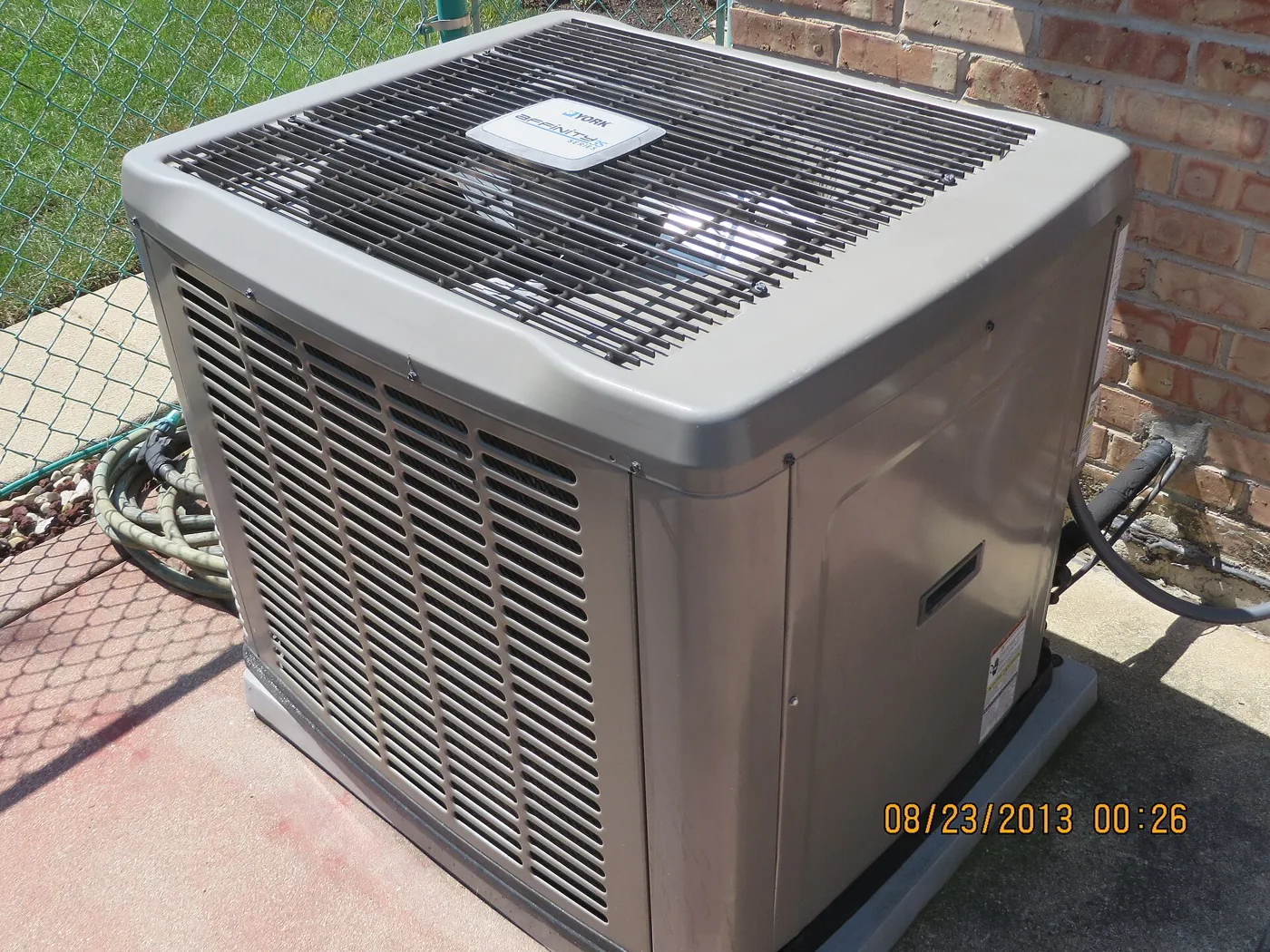
Most of the big names — Trane, Carrier, Goodman, Lennox, Rheem — put a line in the warranty that says the system has to get professional maintenance every year to stay covered. It's easy to skim right past when you buy the unit. But the expensive part, the compressor, the one that costs about what a used car costs to replace, is the exact part that warranty is protecting. Skip the yearly service, have no record of it, and the day that compressor quits you can find yourself arguing with a manufacturer who's pointing at that clause.
So a maintenance plan does two quiet jobs at once. It keeps the small stuff from snowballing, and it keeps a paper trail that says you held up your end. On a newer system, that second job is the one that actually saves you real money — you're not buying a cleaning, you're buying the receipt that keeps a five-figure part somebody else's problem.

The yearly checkup
Photo: U.S. Air Force / Wikimedia Commons (public domain)
When it's just a subscription you forget you have
Now the other side. Because a plan can absolutely be dead weight.
The first way is the simplest: you sign up and you never call. The visits are included, nobody schedules them, and a year later you've paid for two tune-ups you didn't get. A plan you forget about is worse than no plan — you're out the money and your coil's still wearing its sweater.
The second way is the cheap one. You've seen the ads — the $29 or $49 tune-up special. A guy who scanned the AC forums put it perfectly: a company can't get a truck to your driveway for forty-nine dollars, so the low price isn't the deal, it's the doorway. One homeowner near Tampa took a $49 special and got quoted twelve hundred dollars in 'needed' repairs — and the second he pushed back, the tech dropped the price by half. That price drop is the tell. Real work has a real number, and it doesn't get cheaper because you flinched. A plan worth having reads like a plan: set visits, a written list of what gets checked, a straight price. If the sign-up is really a sales visit wearing a coupon, that's not maintenance, that's bait.
Runs 10 months a year here
Photo: Dinkun Chen / Wikimedia Commons (CC BY-SA 4.0)
So which one do you have?
It mostly comes down to two things: how old your system is, and whether the plan in front of you is spelled out or vague.
If your unit's got some years on it and runs all summer, a real plan is one of the cheaper bets in your whole house — it's the coil-washing, drain-clearing, warranty-protecting kind, not the coupon kind. If your system's nearly new, you may only need enough to satisfy that warranty clause, nothing fancier.
Easiest way to stop guessing is to see a real number for your actual house and your actual system before you commit to anything. That's what the price tool on our site is for — tell it what you've got, get your price up front, and decide from there instead of from a card in the mail. No truck in your driveway, no flinch test. Just get your price and see where you stand.
Common questions
What should I actually expect during a seasonal AC service?
A real visit is mostly cleaning and checking, not selling. Someone washes the outside coil, clears the condensate drain line, checks the refrigerant pressure, tests the capacitor and contactor (the two cheap parts that fail most), tightens electrical connections, and makes sure the thermostat and blower are pulling the right numbers. If a tech spends twenty minutes and mostly wants to talk about replacing things, that's a sales call, not a service.
Does skipping maintenance really void my warranty?
It can. Most major manufacturers require documented yearly professional maintenance to keep the parts warranty valid. They rarely enforce it on a $20 capacitor — but the day a compressor fails, that clause is exactly what they'll point to. Keeping a service record is cheap insurance against a very expensive argument.
I have a newer unit still under warranty. Do I still need a plan?
You probably don't need a fancy one, but you likely need enough service to satisfy the warranty's maintenance requirement and to keep the coil and drain clean in our climate. On a new system the biggest thing a plan buys you is the paper trail, not the tune-up itself. Read your warranty's fine print and match the plan to it — don't pay for coverage you already have.
How can I tell a real maintenance plan from a cheap tune-up that's just a sales visit?
Look at the price and the specifics. A real plan lists the visits, what gets checked, and a straight price that doesn't move. The bait version leads with a shockingly low number, then finds a pile of urgent problems once the tech is inside — and drops the quote the moment you hesitate. Work that's actually needed has a firm price. Work that gets cheaper because you flinched was never priced straight.
How often does an AC in Florida actually need service?
Twice a year is the common recommendation here, and it's not just upselling. Our systems run close to ten months a year through heat, humidity, and pollen, so coils foul and drains clog far faster than they do up north. A spring and fall rhythm keeps efficiency from slipping and catches the small stuff before a heat wave turns it into an emergency call.