The first thing that happened on a Tampa summer morning, a hundred years ago, was a card in the front window. It was a square of stiff paper with a number printed in each corner — 25, 50, 75, 100 — and you turned it so the pounds you needed faced the street.
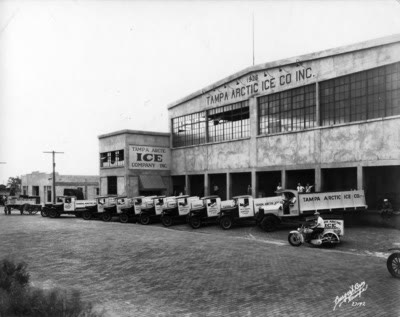
Then, before you were even awake, a man swung a block of ice the size of a footlocker up onto his shoulder with a pair of steel tongs, carried it in dripping, and set it in the top of your icebox. That was the cold, delivered. You didn't switch it on. You waited for it, and you planned your day around how long it would last.
That card in the window is the whole forgotten world in one object. Cold was not a setting. It was a thing that arrived, melted, and had to be replaced — and nearly everything about how Floridians lived was shaped around getting it, keeping it, and doing without it when it ran out.
01 — the cold you had to wait forTampa learned to freeze its own water
Florida had to manufacture its cold. The great nineteenth-century ice trade ran on lake ice sawn out of frozen ponds up north and shipped south packed in sawdust — but no amount of sawdust got a block of a New England pond all the way down the peninsula in August. So Tampa built factories to freeze water by machine.
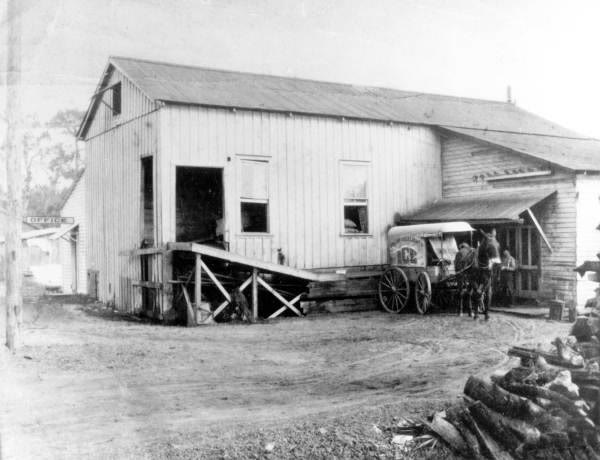
In 1897 the Florida Brewing Company opened in Ybor City, the first brewery in the state, built over a local spring. In 1905 it added the Ybor City Ice Works and began running ice out to the cigar workers' neighborhood by the wagonload. In a city where nothing stayed cold on its own, the people who could make cold were running one of the most important businesses in town.
And they were selling into a place that, for half the year, was genuinely hard to live in. This is what's easy to forget from inside a cooled room: before the machine, Florida in summer was a place a lot of people simply left. The population was small and seasonal. The heat wasn't a nuisance you clicked away — it set the terms. If you were going to stay through August, the house you lived in had to do the cooling itself.
So the house became the machine.
02 — the house did the workCooling built into the walls
The old Florida "cracker" houses were engineered for heat as deliberately as any appliance. They stood up off the ground on piers, so air could move underneath and pull warmth away from the floor. The roofs were steep tin, to throw off the sun. Ceilings ran high, because heat rises and you wanted it up over your head — some houses added a little cupola or a row of high windows just to let that hot air climb out and escape.
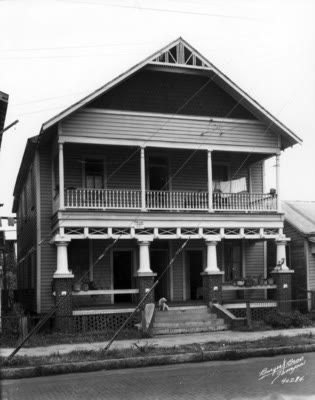
Windows were set directly across from one another, so a breeze went in one side and out the other instead of stalling in the room. Bigger houses used a trick you can still feel if you walk through one: two halves of the house built a few feet apart under one continuous roof, with an open breezeway running between them. They called it a dogtrot. That gap worked like a throat, pulling outside air through the middle of the house and giving the family a shaded outdoor room in the hottest part of the day.
Deep eaves hung out far enough to keep the sun off the windows entirely, and people planted live oaks close to the east and west walls — so the low morning and evening sun, the worst of it, hit leaves instead of glass. Then they wrapped the whole thing in porch.
03 — life moved outsideThe porch was the coolest room in the house
The porch wasn't decoration. In the evening the inside of the house was still holding the day's heat like a brick, so everyone came out. The porch was the living room, the visiting room, the place you shelled beans and watched the street and waited for the air to move.
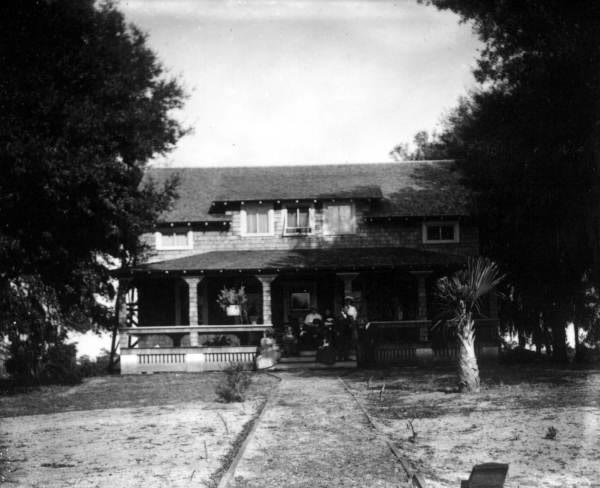
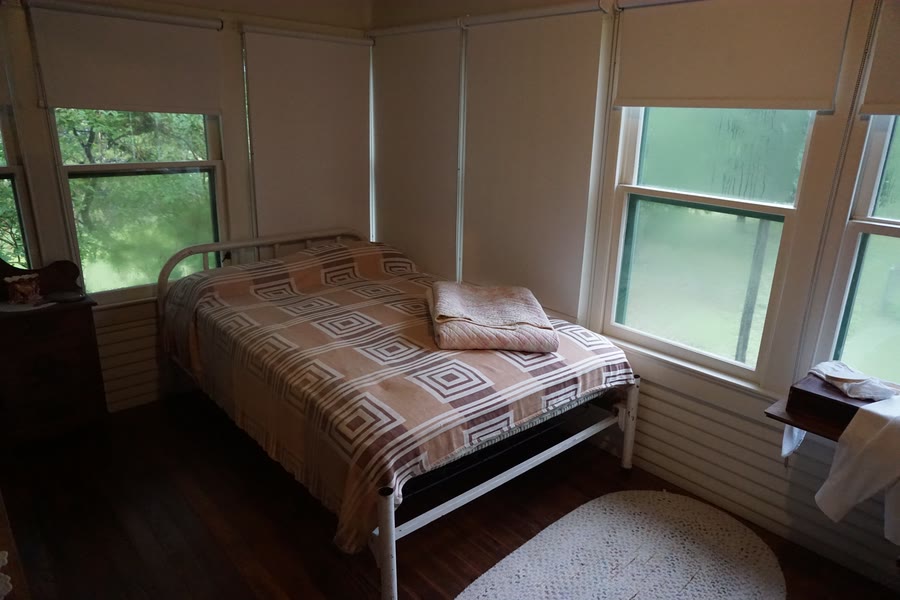
And when it was time to sleep, a lot of families didn't go back in at all. They went to the sleeping porch — a screened room, usually upstairs or on the shaded side, with real beds in it — and slept out in the open air where the night breeze could reach them. On the worst nights people wet a sheet and hung it in the doorway, or put the bedding in the icebox for a few minutes first, chasing the same few degrees any way they could.
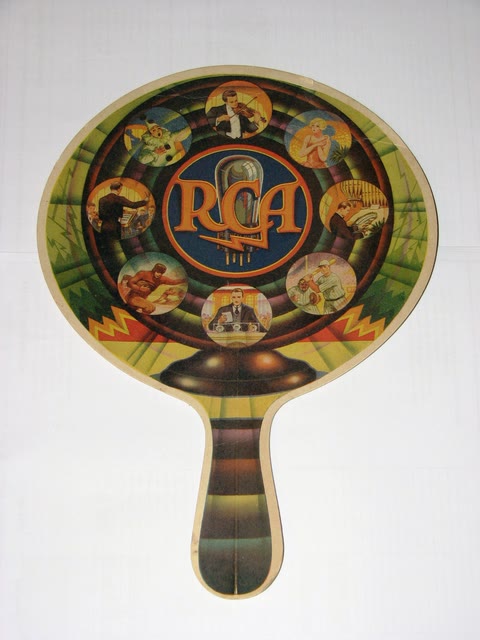
All day, everyone's hands were moving. The fan was the one piece of cooling technology almost every person carried, and it never really stopped — a folding paper fan, a woven palmetto fan cut from a fan palm, or the stiff cardboard kind the funeral home and the corner store gave away with an ad printed on the back. In church, in the factory, on the porch, there was always that small back-and-forth going in the corner of your eye. If you had electricity and could afford it, an oscillating electric fan bought you a breeze that didn't tire your arm. For most people, most of the time, the fan was you.
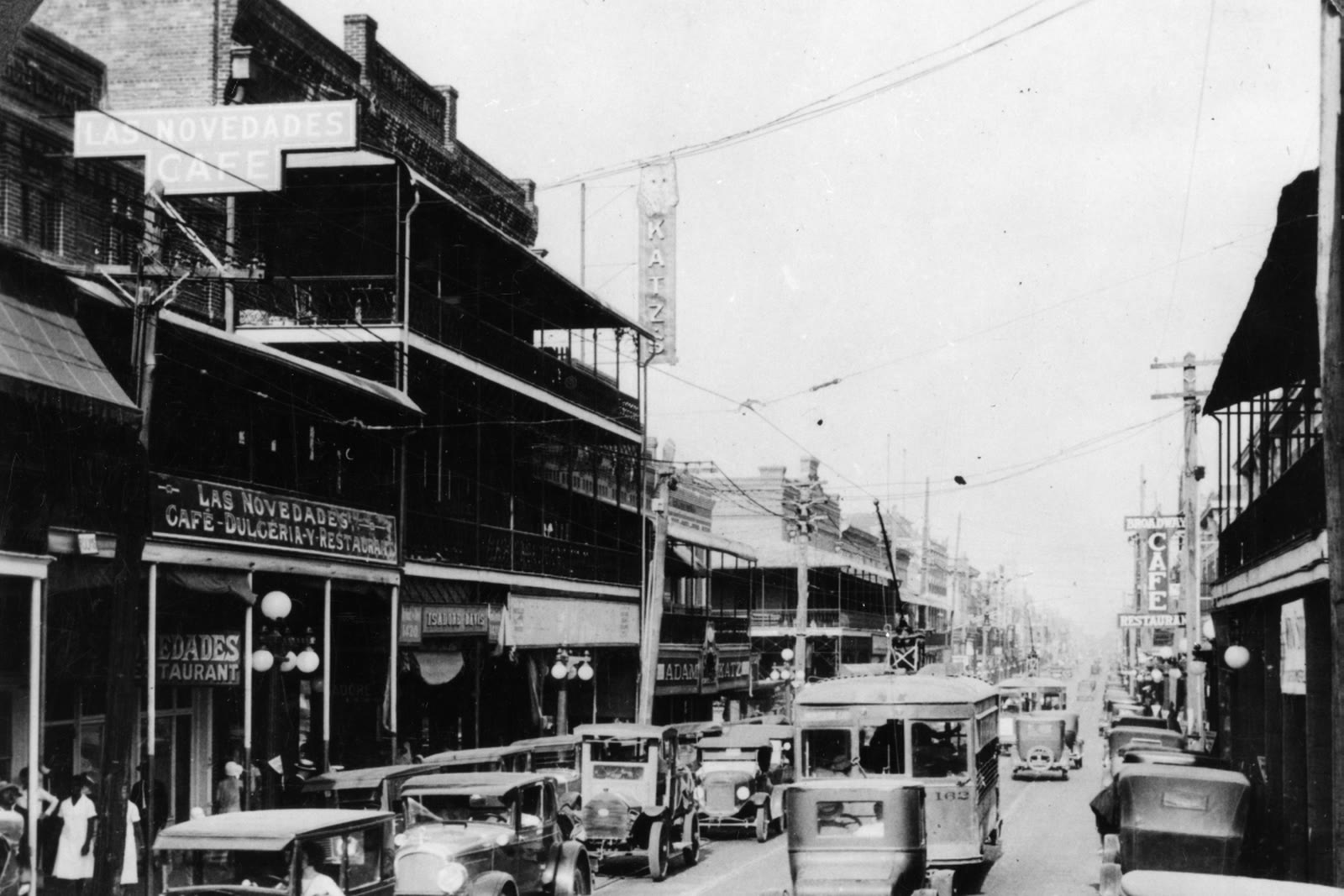
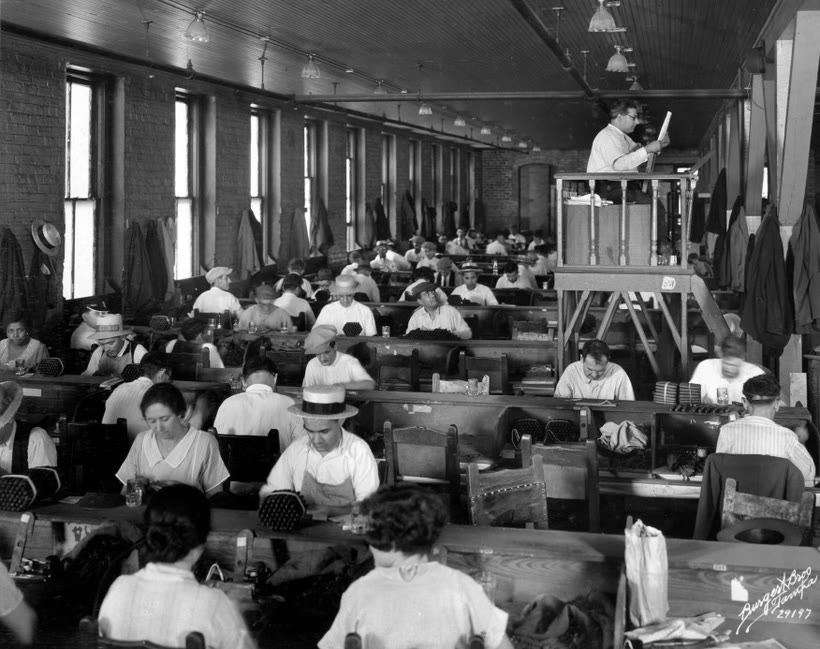
The heat even set the clock. In Ybor City the tabaqueros rolled cigars by hand in long open galleries, and to get through the shift they hired a lector to sit above the floor and read aloud from newspapers and novels over the sound of the work. In the Latin quarter the middle of the day belonged to the heat — you slowed down, you got out of the sun, and a midday rest was simply how sensible people got through July. The rhythm of the day bent around the temperature, because there was no way yet to make the temperature bend around you.
For a hundred years, cool wasn't a machine you owned. It was a set of skills a whole city practiced every single day.
04 — the machine arrivesThree cents' worth of paper stops swelling
The machine that ended this world was invented for a reason that had nothing to do with human comfort. In 1902 a young engineer named Willis Carrier built a device to pull the humidity out of the air in a Brooklyn printing plant, so the paper would stop swelling and the colored inks would line up. Cooling the people was a side effect nobody was selling yet. For decades, air conditioning was an industrial tool.
Tampa met it first as a novelty. On October 15, 1926, the Tampa Theatre opened downtown with something no building in the city had ever had — mechanically cooled air. The theatre barely advertised the movie. It advertised the temperature. People lined up in the heat to buy a ticket into a cold room, just to feel the man-made air for an afternoon.
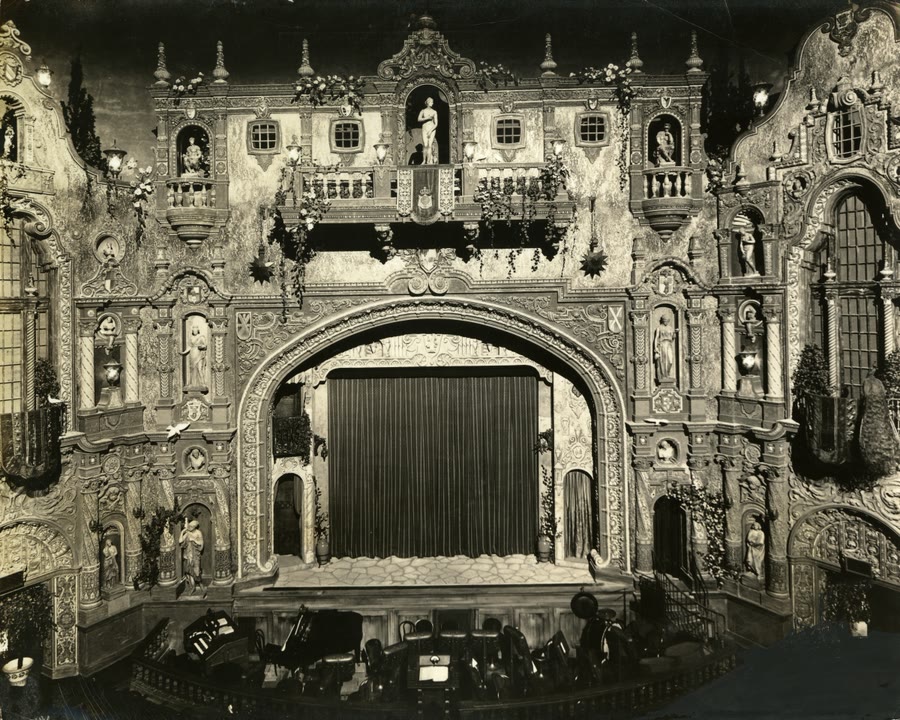
For a while that's all it was — a place you visited to be cold, the way you visited the ice works. Then it came home. The affordable window unit arrived in 1951, and the arithmetic of living in Florida changed completely. In 1950 the state had 2.7 million people. By 1960, with air conditioning spreading, it had 4.9 million. By around 1970 most Florida homes had it — and the whole hand-built system this story has been describing simply stopped being necessary, all at once.
05 — what got switched offA century of knowledge, made irrelevant in twenty years
You can watch the old system disappear feature by feature. The sleeping porch got glassed in and became a spare bedroom. The wide porch got enclosed, or just sat empty, because the cool room was now inside. The icebox became the refrigerator, and the man with the tongs lost his route. The high windows and the dogtrot breezeway stopped mattering — people sealed the windows shut so the cold air couldn't leak out. The oaks came down for driveways. Even the midday pause dissolved into an ordinary workday, because now you could be comfortable at your desk at two in the afternoon in July.
None of it was upgraded. It was switched off — a century of accumulated knowledge about how to be cool without a machine, made irrelevant in about twenty years.
06 — what stayedThe old system is still standing, just off duty
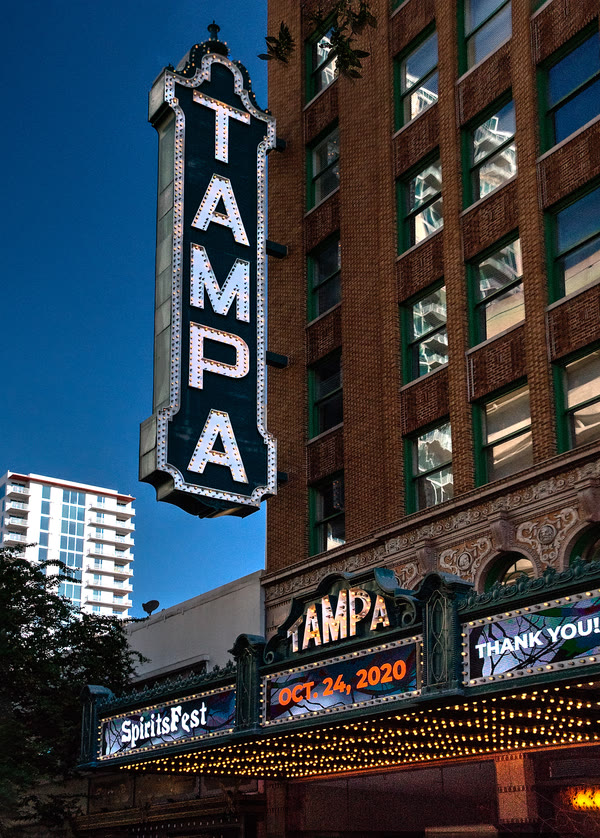
The system left traces, if you know where to look. The Florida Brewing Company building still stands in Ybor City, the tallest thing in the neighborhood, long after the last wagon of its ice went out the door. The Tampa Theatre still runs, still cool inside, its 1926 machinery replaced many times over but its one original promise — come in out of the heat — unbroken.
And in the old neighborhoods — Hyde Park, Seminole Heights, the streets around Ybor — the deep-porched houses are still standing. Raised off the ground, ceilings high, oaks over the roof: every part of them still shaped to catch a breeze the people inside no longer need.
Nobody sets a card in the window anymore. The cold just comes now, quietly, out of a box on the wall; it never runs out and never has to be planned for. Which is the strange thing about winning. Tampa spent a hundred years learning how to survive its own summer — built an entire way of living to do it — and then, almost overnight, got to forget the whole thing.